
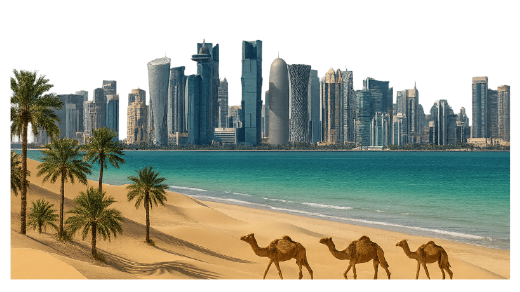

Exploring the Architectural Wonders of Qatar
The architecture of Qatar is a vibrant tapestry that reflects both its rich history and its ambitious aspirations. From ancient souks to modern skyscrapers, Qatar's landscape showcases a fusion of traditional elements and cutting-edge design. But what underlies this beautiful integration of past and present?
In "Architecture Of Qatar ?️✨", the video explores the evolution of Qatar's stunning architectural landscape, sparking a deeper analysis of its significance and impact on the community.
Historical Context and Background
To understand the architecture of Qatar today, we must first delve into its historical context. The nation’s architectural evolution began with humble structures made from coral stone and mud, emphasizing functionality and climate adaptability. Over time, as oil wealth surged, Qatar embraced a modern urban identity, transitioning from traditional buildings to iconic structures that symbolize its rapid progress.
Social Connection: Why This Matters
Architecture is more than just the physical structures towering over us; it shapes how we experience our communities. In Qatar, the architectural landscape serves as a bridge between its past and present, allowing citizens to connect with their heritage while enjoying the benefits of modern design. The warmth of the community is palpable as people gather in beautifully crafted public spaces that reflect both artistry and culture.
Exemplary Structures: A Closer Look at Icons
Several key buildings capture the essence of Qatari architecture:
- The Museum of Islamic Art: Designed by I.M. Pei, this masterpiece stands on the Doha Corniche and hosts a vast collection of Islamic artifacts. Its architecture itself is a conversation starter, with geometric patterns and grandiose space that offer visitors a serene yet stimulating experience.
- Doha Tower: This skyscraper, with its sleek curves and illuminated façade, represents Qatar's leap into the future, embodying the country's commitment to innovation and sustainability.
- Katara Cultural Village: This cultural hub blends traditional Qatari architecture with modern art spaces, bringing together community events, performances, and exhibitions that celebrate cultural diversity.
Future Predictions: The Next Wave of Architectural Marvels
Looking ahead, Qatar is poised to further redefine its architectural landscape with ongoing developments leading to the 2022 FIFA World Cup and beyond. New projects are set to include environmentally friendly designs and smart city planning, positioning Qatar as a leader in contemporary architecture. What does this mean for residents and visitors? Improved urban connectivity and sustainable living spaces will enhance quality of life for all.
Actionable Insights for Community Engagement
Understanding local architecture can foster appreciation and pride within communities. Residents are encouraged to participate in workshops and tours designed to raise awareness of the significance of their architectural environment. Such initiatives not only educate but also strengthen ties within the community by encouraging dialogue about shared spaces.
Through engaging storytelling, we can highlight local voices that contribute profoundly to Qatar's architectural narrative. Spotlighting architects, builders, and residents who breathe life into these structures fosters a deeper connection to the spaces we inhabit.
In conclusion, the architecture of Qatar is a compelling story of evolution, connection, and community. It reflects not only aesthetic preferences but also cultural values and aspirations for the future, making it an integral part of life in Qatar. As we continue to explore these architectural wonders, let’s celebrate the stories behind them and the people who call them home.


Write A Comment