

Discovering Art: Khadijah Mellah's Journey Through the Museum of Islamic Art
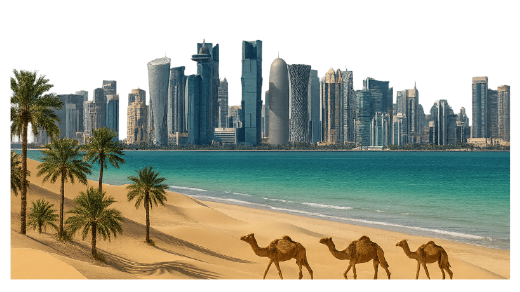
In a world where art transcends borders, Khadijah Mellah, a pioneering equestrian and passionate advocate for cultural exploration, takes us on an inspiring journey through the Museum of Islamic Art (MIA) in Doha. Her visit not only highlights the beauty and significance of Islamic art but also connects deeply with her own heritage, reminding us all of the rich tapestry of cultures that shape our identities. The MIA stands as an architectural gem, designed by the renowned architect I.M. Pei, and it overlooks the picturesque Doha Bay, making it a must-visit destination for anyone interested in the arts and culture of the Islamic world.
In Khadijah Mellah explores Museum of Islamic Art, the discussion dives into the significance of cultural heritage, exploring key insights that sparked deeper analysis on our end.
Understanding Islamic Art: A Timeless Legacy
The Museum of Islamic Art houses impressive collections that span over 1,400 years of creativity from Spain to India. From exquisite pottery to intricate textiles, MIA showcases the evolution of Islamic art across various regions and historical periods. Visitors can admire artifacts from the Ottoman Empire, beautiful Persian carpets, and delicate glassware. Khadijah’s exploration of these artworks offers an opportunity for visitors to appreciate not just the aesthetics but also the cultural stories behind each piece. Whether it’s a stunning piece of calligraphy or a beautifully designed tile, each artifact speaks of the civilization that produced it, inviting us to reflect on the shared history of humanity.
Khadijah’s Connection to Heritage
As an athlete who broke barriers by becoming the first female jockey to compete in the Bahrain International Trophy, Khadijah exemplifies what it means to embrace one’s identity. Her visit to MIA serves as a reminder of how art can reflect personal stories. As she interacts with the pieces, we see her connection to history and culture—something that resonates deeply in the hearts of those exploring their roots. By stepping into the museum, Khadijah not only appreciates the beauty around her but also recognizes the importance of representation in art and sports, symbolizing hope and encouragement for young girls and women everywhere to pursue their passions.
Art as a Bridge: Engaging the Community
The Museum of Islamic Art is not merely a collection of artifacts; it is a space for community engagement and education. Khadijah’s experience encourages local families to visit the museum, sparking conversations about cultural diversity and the importance of understanding one another. This cultural dialogue is vital in fostering connections among Qatar’s diverse population, which comprises many nationalities and backgrounds. The MIA also hosts workshops and educational programs aimed at young people, empowering them to explore their creativity while learning about their cultural heritage. Such initiatives help bridge gaps between communities and foster a mutual appreciation for shared traditions and values.
Art, Culture, and the Future
As we explore the rich narratives within the walls of MIA, we also glimpse the importance of supporting grassroots initiatives that celebrate cultural diversity. Khadijah Mellah's passion can inspire young people to engage with their cultural heritage, encouraging a future generation that respects and honors their roots. Additionally, Khadijah’s journey underscores the idea that art is not static; it evolves with people and communities. Through initiatives promoting artistic expression, we can create a more inclusive environment where everyone’s story can be represented and valued.
Why You Should Visit the Museum of Islamic Art
The Museum of Islamic Art is an enriching experience for anyone interested in art, history, and culture. Whether you are a local resident or a tourist, stepping inside this architectural marvel allows you to engage with stories and artworks that resonate on multiple levels. From interactive exhibits to community events, MIA offers something for everyone, inviting all to become part of the conversation about heritage and identity. On weekends, the museum often hosts family-friendly activities, encouraging children to learn through play and creativity. The museum’s café, with its stunning views, provides a perfect space for reflection after a day of exploration.
In Khadijah Mellah explores Museum of Islamic Art, we witness the powerful impact that art can have on personal and collective identity. As we draw from Khadijah’s journey, we are inspired to delve deeper into our community's culture and history, reminding ourselves that each artwork has a story waiting to be told. Visiting MIA isn't just an outing; it’s an opportunity to experience the vibrant narratives that shape our world. So, grab your family or friends, and embark on your journey through art—there are countless stories to discover at the Museum of Islamic Art.


Write A Comment