 Add Row
  Add
Add 

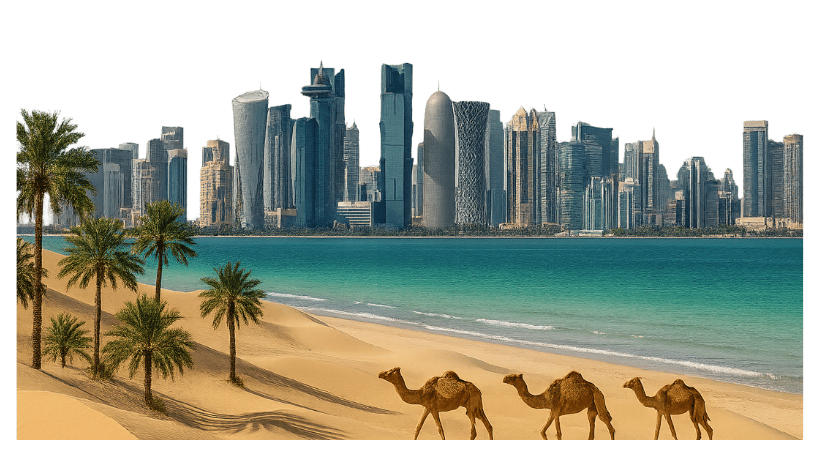

A Transformative Step Toward Regional Connectivity
The recent announcement regarding a high-speed electric rail project linking Qatar and Saudi Arabia marks not just an infrastructural achievement but also a significant milestone in the diplomatic relations between the two nations. This railway will stretch 785 kilometers, connecting the capital cities: Doha and Riyadh. With projected speeds exceeding 300 kilometers per hour, this endeavor aims to revolutionize travel across the region, reducing transit time between these two significant hubs to a mere two hours.
Strengthening Ties and Trade Relations
The construction of this rail line is a clear reflection of the strengthening economic ties and political cooperation between Qatar and Saudi Arabia, especially following the restoration of relations in January 2021 after a prolonged diplomatic crisis. As highlighted in the joint statements by both nations, the project is expected to facilitate an explosion of trade and tourism, enhancing overall economic growth.
Impact on Regional Mobility and Economy
Anticipating over 10 million passengers annually, the high-speed rail service promises an unrivaled travel experience in the region. The easy access to cultural landmarks will not only encourage tourism but will also bolster local economies as these visitors explore the diverse attractions of both countries.
Additionally, the project is expected to create over 30,000 jobs, contributing positively to the employment landscape in both nations. The significance of this initiative resonates with the broader goals of economic diversification under both the Saudi and Qatari visions for 2030, facilitating a more integrated Gulf Cooperation Council (GCC) infrastructure.
Environmental and Technological Advancements
Built according to the highest international standards, this project promises to prioritize environmental sustainability. By using advanced engineering and smart transport technologies, the rail aims to minimize carbon emissions, aligning with global sustainability efforts and reducing dependency on road transport.
Broader Implications for GCC Integration
As the rail project enhances transport efficiency, it simultaneously paves the way for greater integration among GCC nations. Building this critical infrastructure contributes to a unified economic landscape that can enhance collective security, trade, and mobility. In this era of increasing globalization, this rail link signifies much more than just connectivity; it offers a pathway to collective prosperity.
The Future of Railway Development in the Region
Looking forward, the execution of this project encapsulates a vision of modern mobility—a goal that reflects the aspirations of both nations. As it sets the groundwork for potential expansions within the region, such projects could reshape how Gulf cooperation transforms in the next decade, heralding a new age of collaboration.
Ultimately, the commencement of construction marks a critical juncture for the two nations, representing their commitment to unity, sustainability, and economic growth. The rail project gracefully intertwines the hopes of both nations toward a more connected and prosperous future.


Write A Comment